Package

The Land of Thunder Dragon Journey

Theme type: Heritage & Culture

About

Phuntsholing (Wylie: phun tshogs gling) or Phuentsholing, is a border town in southern Bhutan, and is the administrative seat (dzongkhag thromde) of Chukha District. The town occupies parts of both Phuentsholing Gewog and Sampheling Gewog.[3]Phuentsholing adjoins the Indian town of Jaigaon, and cross-border trade has resulted in a thriving local economy. For example, the town serves as headquarters for the Bank of Bhutan.

Unique Experiences

Bhutan often revered as the ‘Land of the Thunder Dragon’ or 'Druk Yul', is still regarded as one of the last ‘Shangri-La' in the Himalayan region because of its remoteness, its spectacular mountain terrain, varied flora and fauna and its unique ancient Buddhist monasteries. This country of rolling hills and towering crags certainly exudes charm. The mountains are magnificent, the forests are dense, the people are delightful, the air is pure, the architecture inspiring, the religion exciting and the art superb. Like timeless images from the past, the traveller encounters the full glory of this ancient land through its strategic fortresses known as Dzongs, numerous ancient temples, monasteries and stupas which dot the countryside, prayer flags which flutter along the high ridges, foamy white waterfalls which are the ethereal showers, and the warm smile of its friendly people. 

The tiny kingdom of Bhutan shares with Nepal the world's greatest concentration of mountains and living heritage of Buddhism. With its beautiful and largely unspoiled Himalayan setting, its rich flora and fauna and its vibrant Buddhist culture, Bhutan has become an increasingly popular destination for travellers. In addition to generating hard-currency revenue, tourism is also providing impetus for the development of services sector and hence balanced and holistic development of entire region. In an effort to safeguard its rich natural and cultural environment, the country has consciously adopted a regulated tourism and development policy. 

  • Visit the unexplored Kharbandi Gompa, the beautiful monastery situated in garden of tropical plants.
  • Visit the majestic statue of Buddha Dordenma in Thimphu.
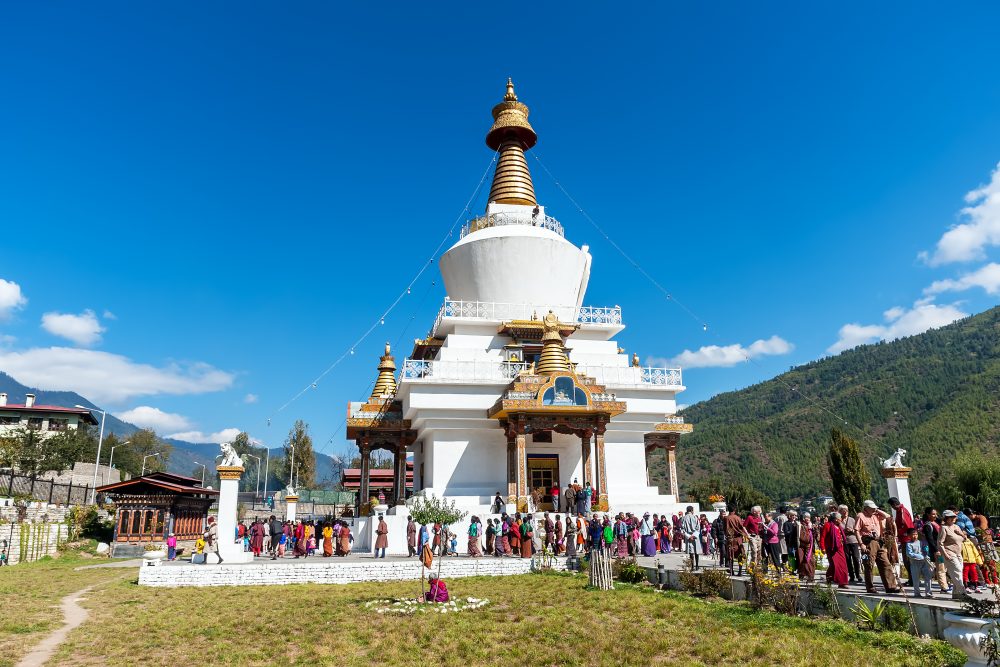
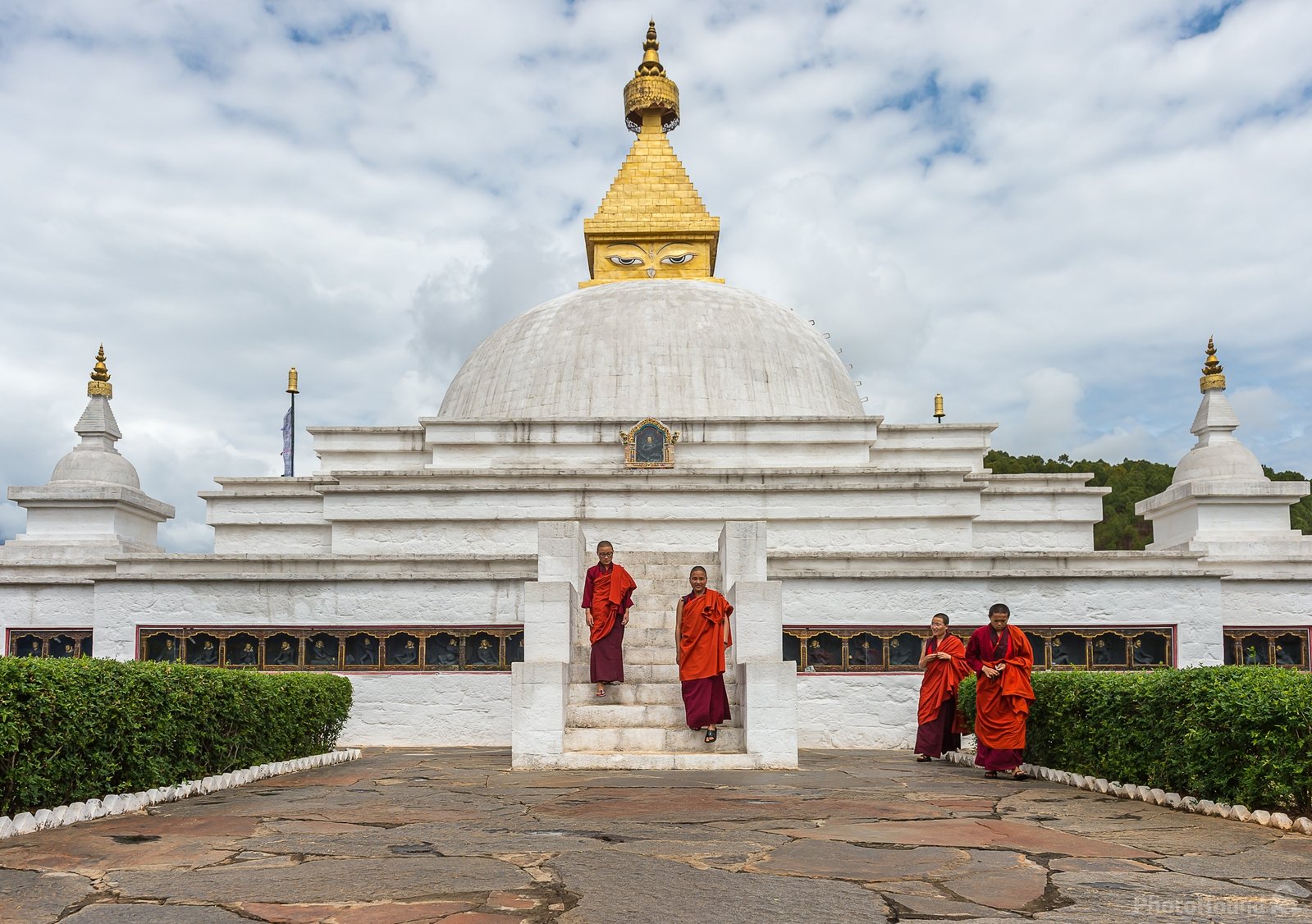
  • Discover the King's Memorial Chortens, where devotees continuously circumambulator, murmuring mantras and spinning prayer wheels.
  • Explore Centenary Farmers Market & Ka Ja Thom.
  • Discover the National library of Bhutan.
  • Visit to Trashichhoedzong is the center of government and religion.
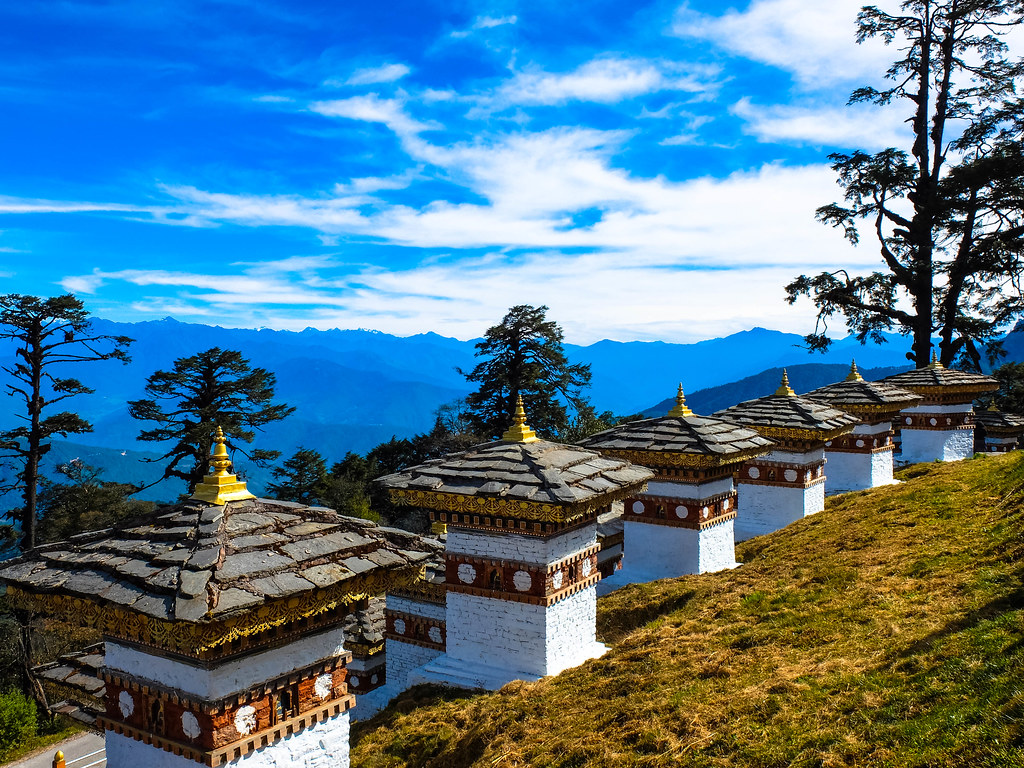
  • Enjoy breathtaking views from Dochula Pass.
  • Experience journey to Punakha Dzong.
  • A walk across Punakha Suspension Bridge.
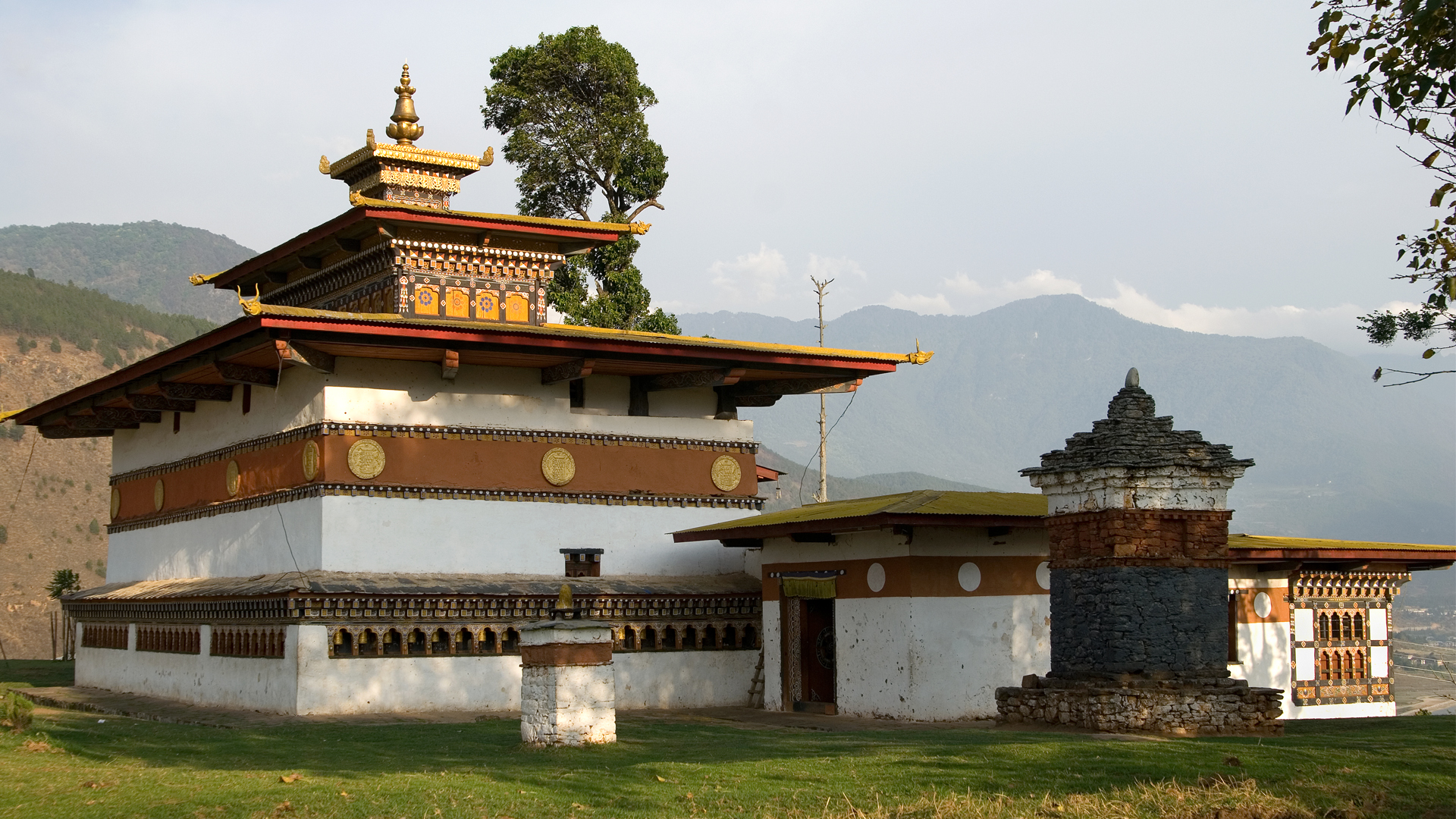
  • Embark on a short and easy walking excursion to Chimi Lhakhang, fertility temple.
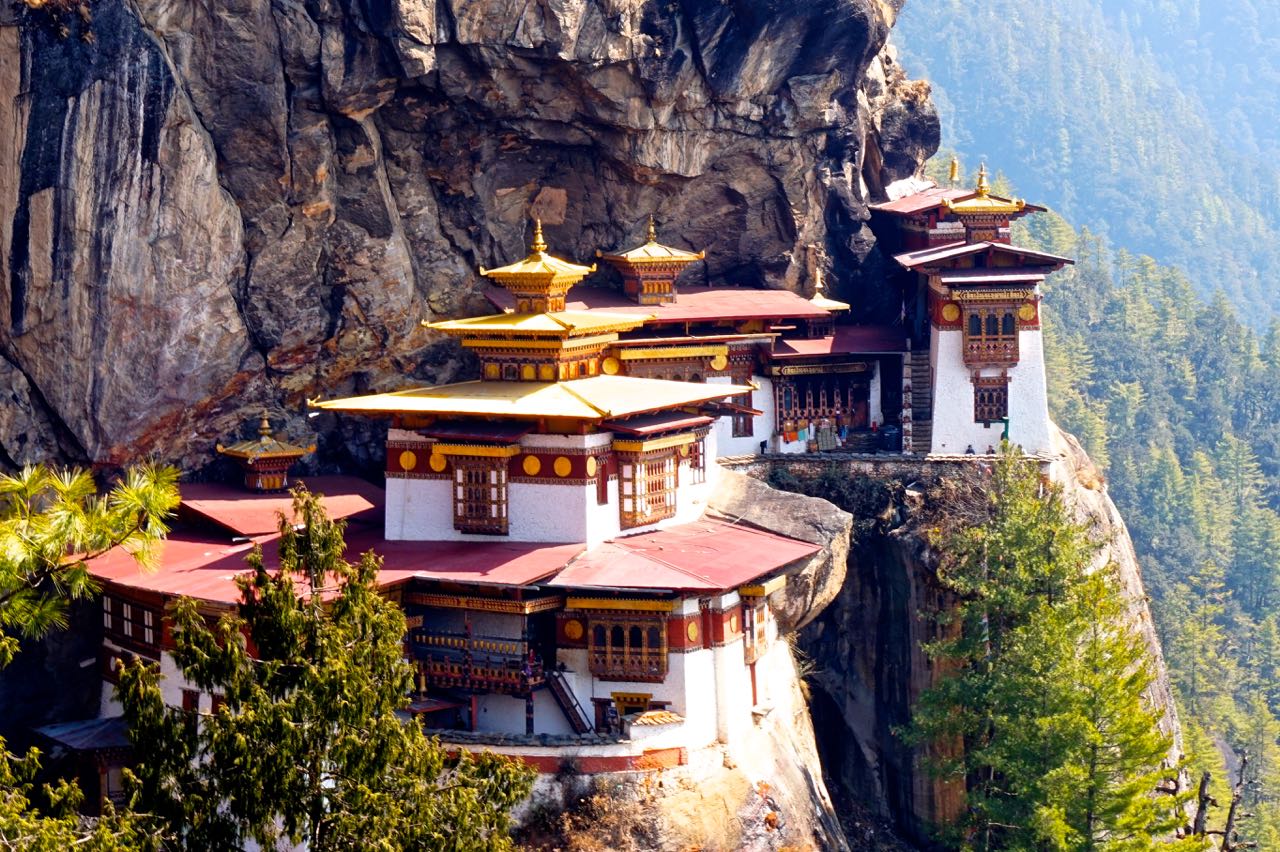
  • Excursion to Taktsang Monastery famously known as Tiger Nest.
  • Trail to visit Rinpung Dzong, meaning (“fortress of the heap of jewels”).

Destinations

Phuntsholing Day 1-2
Thimphu Day 2-4
Punakha Day 4-5
Paro Day 5-7
Phuntsholing Day 7-8

The best time to visit

Paro throughout year
Punakha throughout year
Phuntsholing throughout year
Thimphu October to December,
Day 1
Day 01: Arrival at Bagdogra Airport / NJP Railway Station and transfer to Phuentsholing (approx. 160 km Approx. 5 hrs drive)

On arrival at Bagdogra Airport / NJP Railway Station, board waiting vehicle and drive to Phuentsholing, met by our representative at border and after clearing immigration formalities, check in at the Hotel. 

The frontier town of Phuentsholing is a thriving commercial centre, situated directly at the base of Himalayan foothills. Being the border town, Phuentsholing serves as the convenient entry/exit point for Bhutan and the important link to visit the Indian state of West Bengal, Sikkim and Assam. 

Later in the day *if time permits visit Zangtho Pelri Lhakhang. Situated in city centre, this small temple represents the heaven of Guru Rinpoche. Overnight at the hotel in Phuentsholing (Altitude 300m).

Day 2
Day 02: Phuentsholing – Thimphu (155 km, approx. 4.1/2-hour drive)

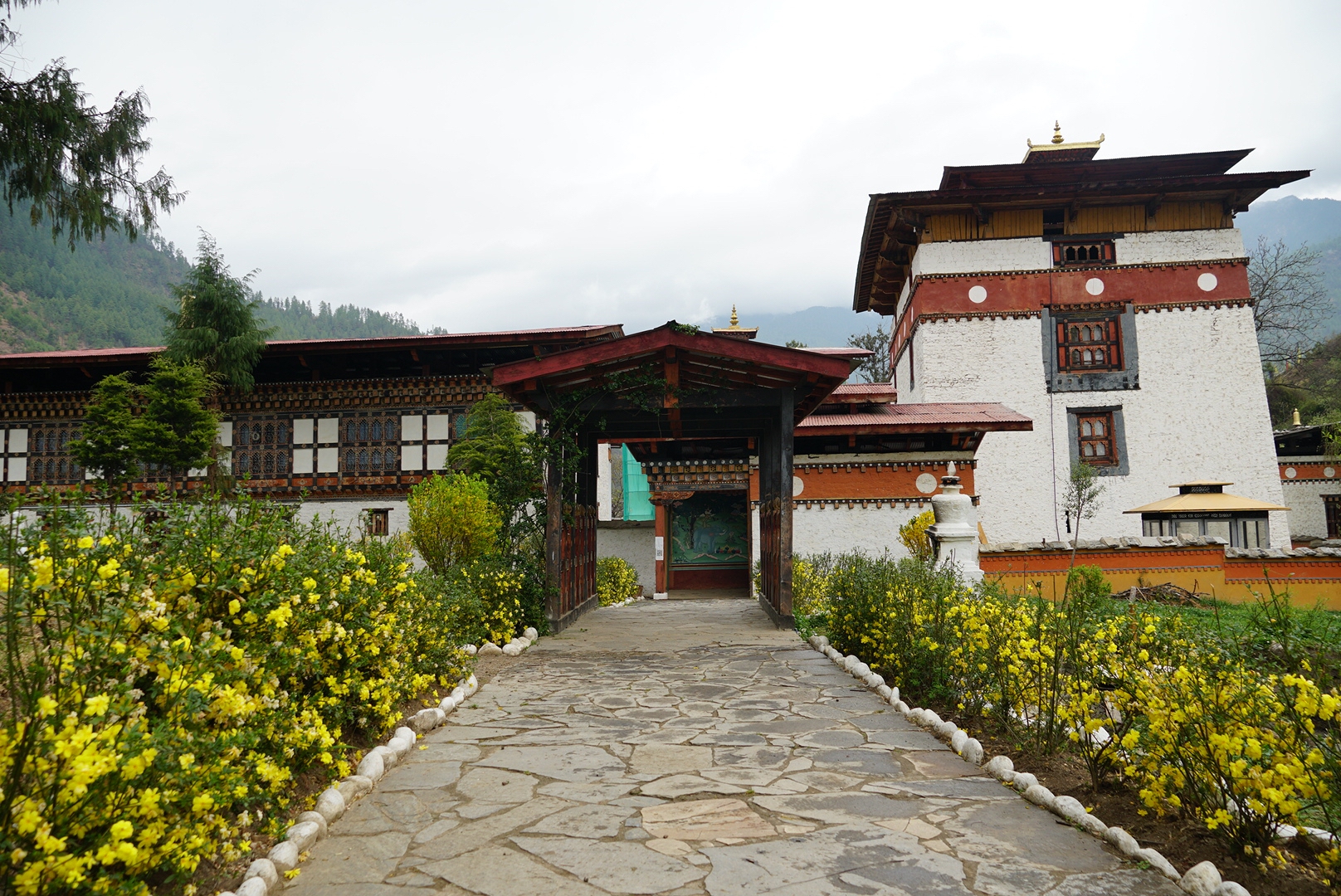
After breakfast, drive to Thimphu, the modern capital town of Bhutan. En route stop at Kharbandi Gompa, the beautiful monastery situated in garden of tropical plants and flowers. The monastery contains paintings depicting scenes from the life of Buddha and statues of Shabdrung Ngawang Namgyal and Guru Rimpoche. From the monastery garden there is a splendid view of Phuentsholing and plains of West Bengal and their tea gardens beyond. 

Proceed further to Thimphu. This entire drive is very pleasant with numerous scenic spots en route. 

On arrival, in Thimphu check-into the hotel. The capital town of Bhutan and the centre of government, religion and commerce, Thimphu is a unique city with unusual mixture of modern development alongside ancient traditions. With the population of about 1,30,000 it is perhaps still the world’s only capital city without a traffic light. 

Evening an exploratory walk around Thimphu main street and market area. Overnight at the hotel in Thimphu (Altitude 2,320m).

Day 3
Day 03: Thimphu

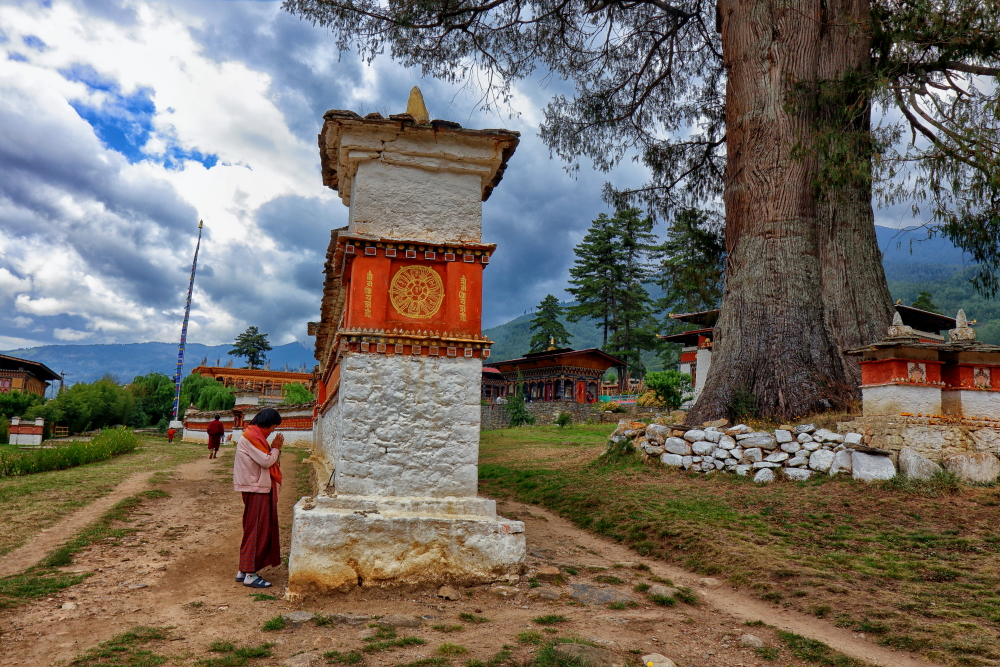
After breakfast, visit King's Memorial Chorten continuously circumambulated by people, murmuring mantras and spinning their prayer wheels. Construction of this landmark was the idea of Bhutan’s third king, His Majesty Jigme Dorji Wangchuk (“the father of modern Bhutan”) who has wished to erect monument to world peace and prosperity. Completed in 1974 after his untimely death, it serves both as a memorial to the Late King and as a monument to peace. 

Then drive to Buddha Dordenma, located atop a hill in Kuenselphodrang Nature Park and overlooks the Southern entrance to Thimphu Valley. The statue fulfils an ancient prophecy dating back to the 8th century A.D that was discovered by Terton Pema Lingpa (Religious Treasure Discoverer) and is said to emanate an aura of peace and happiness to the entire world. This massive statue of Shakyamuni made of bronze and is gilded in gold, measures 51.5 meters in height, making it one of the largest statues, in Bhutan. 125,000 smaller Buddha statues have been placed within the Buddha Dordenma statue, each of these also have been cast in bronze and gilded. The throne that the Buddha Dordenma sits upon is a large meditation hall. 

Afterwards proceed on a hike from Buddha Dordenma to Changangkha Lhakhang, a delightful journey lasting approximately 1.5 hours and offering easy terrain. As you follow the trail, you'll be greeted by a magnificent sight of thousands of prayer flags fluttering in the breeze, creating a colourful and spiritual atmosphere. These flags, adorned with prayers, are an integral part of Bhutanese culture and belief, believed to carry blessings to the heavens with each flutter. The trail winds through a pristine forest adorned with tall pines, graceful birch trees, and vibrant rhododendrons. Well-maintained throughout, the path features charming gazebos that offer perfect vantage points to admire the surrounding scenery. 

Arriving at Changangkha Lhakhang, you encounter an ancient temple steeped in history, dating back to its founding by Lama Phajo Drugom Shigpo in the 12th century, further extended by his son in the 13th century. This temple holds profound significance as the birthplace of the Drukpa lineage in Bhutan, founded by Lama Phajo from Tibet. Central to Changangkha Lhakhang is a revered statue of Chenrezig, embodying compassion and enlightenment with eleven heads. Here, for generations, parents have journeyed to seek blessings for their newborns from the protective deity Tamdrin. 

Then, explore Centenary Farmers Market & Ka Ja Thom (local market Tue closed). Centenary Farmers Market, popularly known as Weekend market, is bustling, colourful market centre where farmers from different part of the country gather to sell their farm products. With its wide assortment of products including handicrafts and its picturesque and colourful setting, the Farmer’s Market is a favourite spot for many. 

Next, proceed to the National Library of Bhutan, a major scriptural repository and research facility dedicated to the preservation and promotion of the rich literary, cultural & religious heritage of Bhutan. The Scripture and document collection held in the library are national treasure & a fundamental source of Bhutanese history, religion, medicine, art & culture. The library was established in 1967 & merged with National Commission of Cultural Affairs in 1985. 

Wrap of your sightseeing of the day with visit to Trashichhoedzong. This is the center of government and religion, site of monarch’s throne room and seat of Je Khenpo or Chief Abbot. Built in 1641 by the political and religious unifier of Bhutan, Zhabdrung Ngawang Namgyal, it was reconstructed in 1960s in traditional Bhutanese manner, without nails or architectural plans. 

Evening time can be spent strolling through Thimphu city centre and local crafts bazaar, to browse through example of Bhutan's fine traditional arts. Here you can buy hand-woven textiles, thangkha paintings, masks, ceramics, slate and wood carvings, jewellery, interesting items made from local materials. Overnight at the hotel in Thimphu. (Altitude 2,320 m)

Day 4
Day 04: Thimphu – Punakha & Wangdue (75 km, approx. 3 hours drive)

After breakfast, drive to Punakha across Dochu La Pass. Located at a height of 3,088m/ 10,130 ft, Dochula is a scenic location with chorten, mani wall, and prayer flags which decorate this highest point on the road. If skies are clear, it may be possible to see the following peaks from this pass in the order left to right: Masagang (7,158m), Tsendagang (6,960m), Terigang (7,060m ), Jejegangphugang (7,158 m), Kangphugang (7,170 m ), Zongphugang (7, 060 m ), a table mountain that dominates the isolated region of Lunana - finally Gangkar puensum, the highest peak in Bhutan at 7,570m. 

On arrival in Punakha, check into the hotel. 

In the afternoon, visit Punakha Dzong or (Palace of Great Happiness), built in 1637 by Shabdrung Ngawang Namgyal, at the junction of the Phochu and Mochu rivers. This majestic dzong served as both the religious and the administrative center of Bhutan in the past. It measures some 600 by 240 feet and has a six-story, gold-domed tower. Inside are courtyards and religious statuary that hint at the depth of history and spiritual tradition embodied here. Your guide will illuminate your understanding of this intricate culture that is exotic to us, though long established here. 

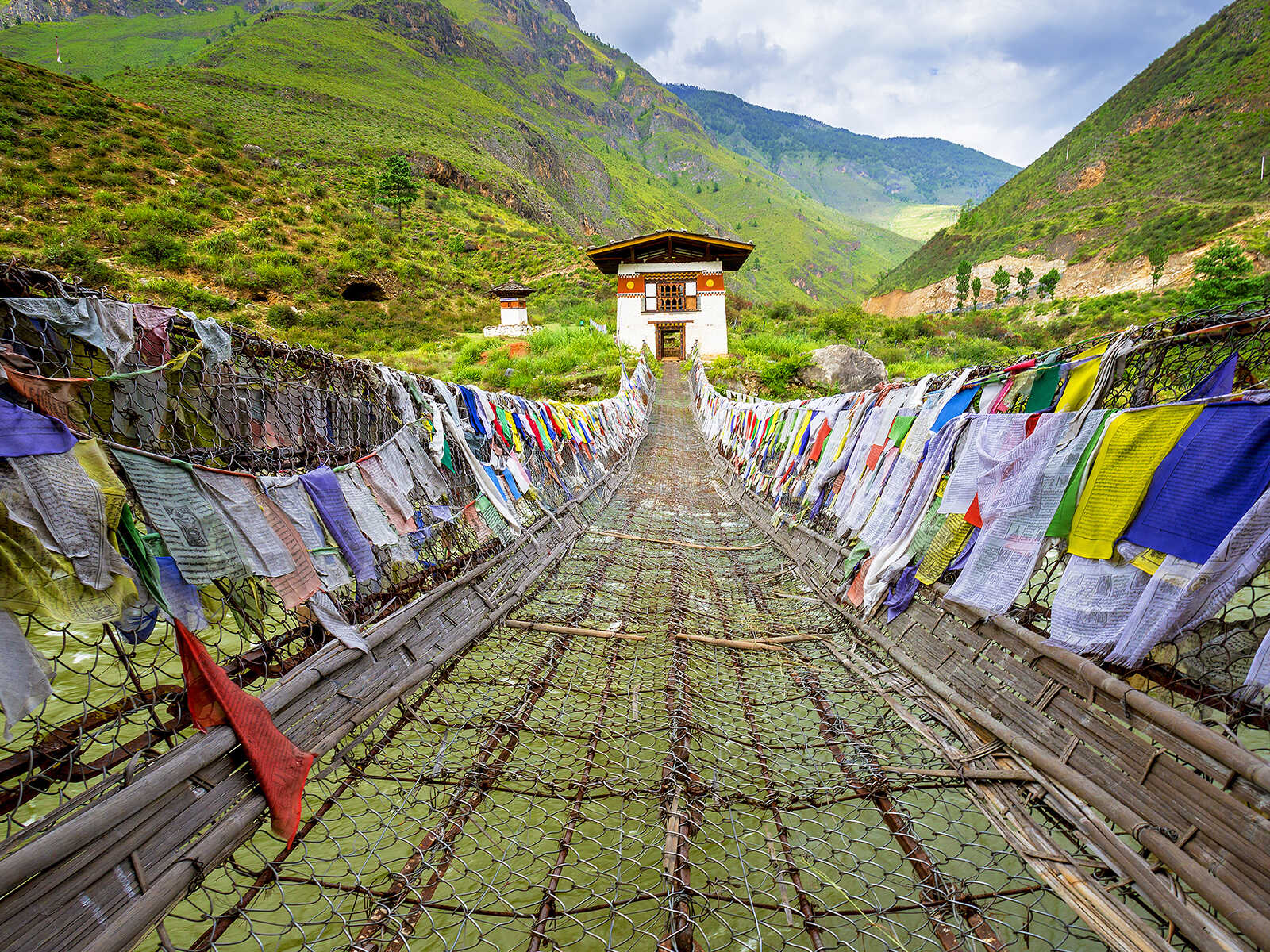
Then walk across Punakha Suspension Bridge, gracefully suspended over the gushing waters of the Mo Chhu River, is a marvel of engineering and a thrilling experience for visitors. Spanning approximately 160 meters, it ranks among Bhutan's longest suspension bridges and provides a unique perspective of the picturesque Punakha Valley. With prayer flags fluttering in the wind and the river's roar below, crossing this bridge offers an exhilarating blend of natural beauty and cultural significance. 

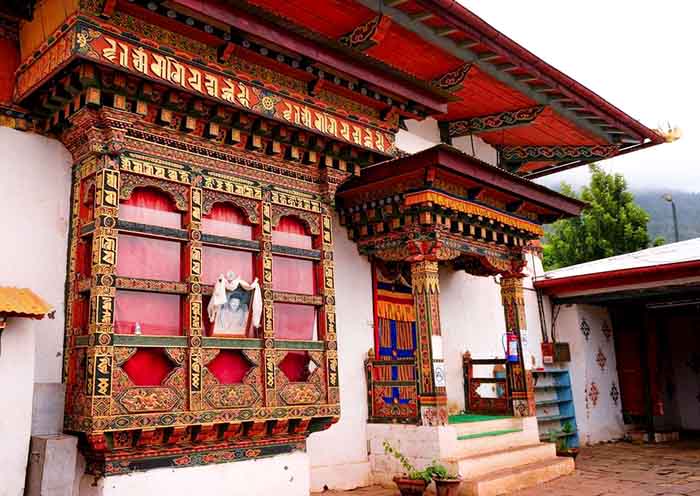
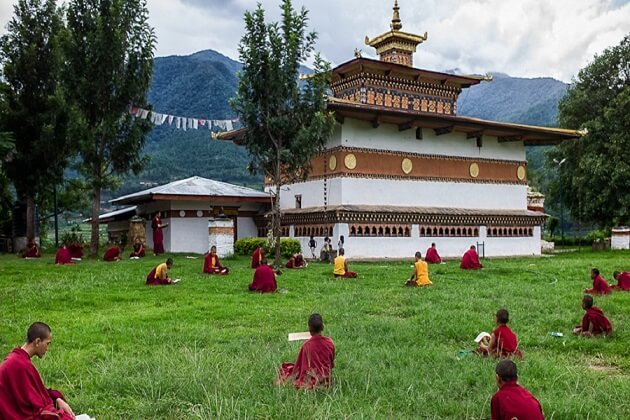
Then go for a short excursion to Chimi Lhakhang, situated on a hillock in the centre of the valley, also known as the temple of fertility. It is widely believed that couples who do not have children and want one, if they pray at this temple, they are usually blessed with a child very soon. The trail leads across rice fields to the tiny settlement of Pana, meaning ‘field’. A walk through the village near the temple will give you rare glimpses into the daily life and lifestyle of the villagers. Overnight at the hotel in Punakha / Wangdue. (Altitude 1,300m)

Day 5
Day 05: Punakha & Wangdue – Paro (125 kms, approx. 4.1/2-hour drive)

After breakfast drive back to Paro descending back down from Dochu La, follow the way back up the dramatic Wang Chhu and Paro Chhu river valleys, before crossing through Paro Town towards the north end of the valley. 

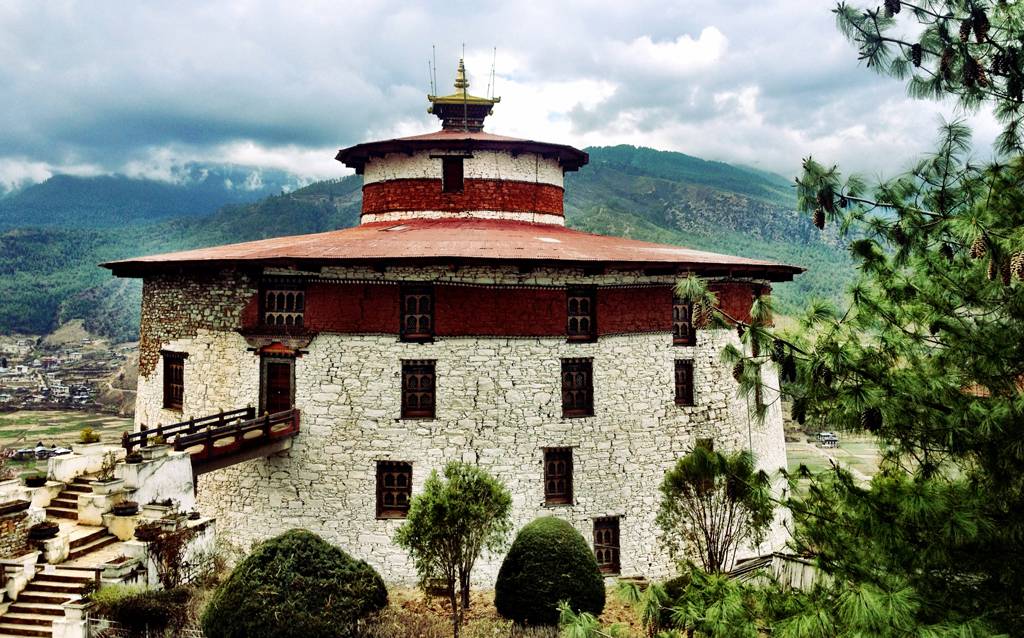
Later in the day after checking into hotel, proceed to visit Ta Dzong, originally built as Watchtower, which now houses National Museum. The extensive collection includes antique thangkha paintings, textiles, weapons & armour, household objects and a rich assortment of natural and historic artifacts. 

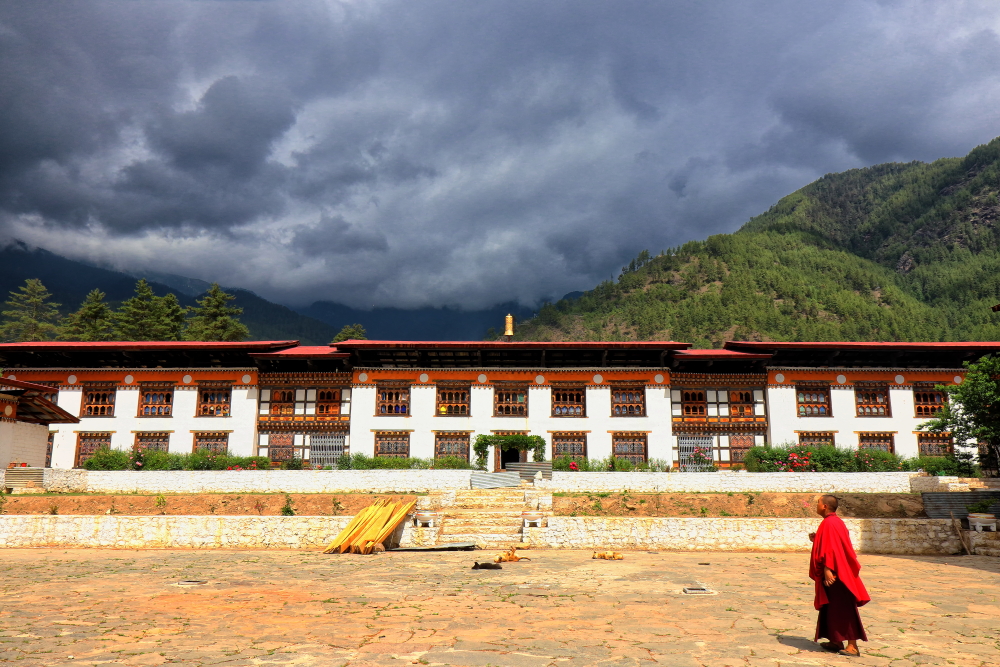
Then walk down the trail to visit Rinpung Dzong, meaning (“fortress of the heap of jewels”), which has a long and fascinating history. Along the wooden galleries lining the inner courtyard are fine wall paintings illustrating Buddhist lore such as four friends, the old man of long life, the wheel of life, scenes from the life of Milarepa, Mount. Sumeru and other cosmic Mandala. Overnight at the hotel in Paro. (Altitude 2,280m)

Day 6
Day 06: Paro

After breakfast excursion to Taktshang Monastery (approx 5 hours round trip walk).  It is one of the most famous of Bhutan’s monasteries, perched on the side of a cliff 900m above the Paro valley floor. It is said that Guru Rinpoche arrived here on the back of a tigress and meditated at this monastery and hence it is called ‘Tiger’s Nest’. This site has been recognized as a most sacred place and visited by Zhabdrung Ngawang Namgyal in 1646 and now visited by all Bhutanese at least once in their lifetime. 

On the way back to hotel, visit 16th century Kyichu Lhakhang, one of the oldest monasteries of the Kingdom associated with the introduction of Buddhism in Bhutan. Overnight at the hotel in Paro. (Altitude 2,280m)


Day 7
Day 07: Paro – Phuentsholing (150 km, approx. 4-hour drive)

After breakfast, drive to Phuentsholing. Overnight at the hotel in Phuentsholing.

Day 8
Day 08: Drive to Bagdogra Airport /NJP Railway Station (165 km approx. 4.5-hour drive)

After breakfast, transfer to Bagdogra Airport / NJP Railway Station for onward destination.

For more details, get in touch with one of our travel experts.

Download Our Catalogue

Explore exotic destinations and unique
travel experiences.