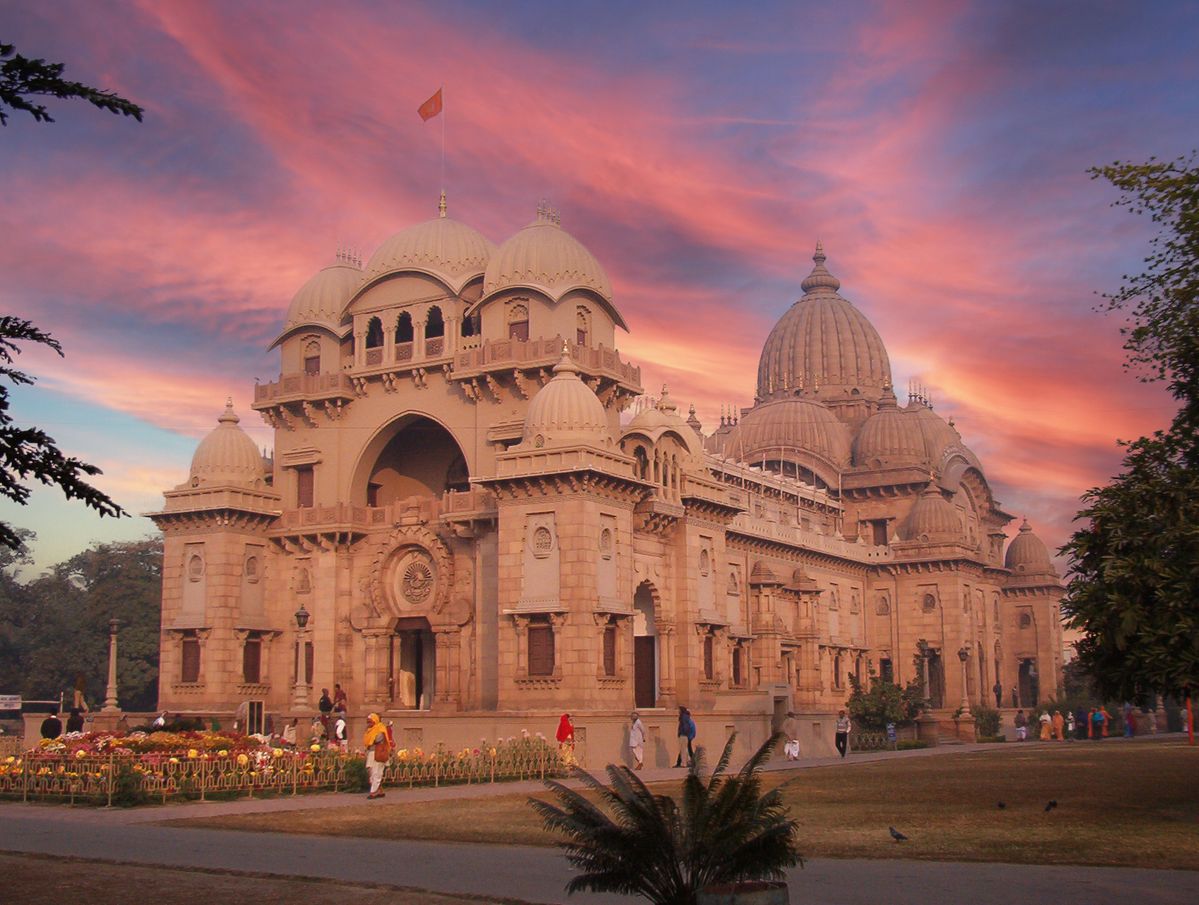
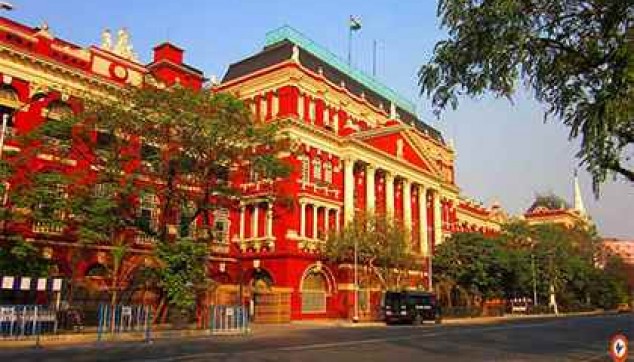
Kolkata, the capital of West Bengal, is a bustling metropolis with a rich cultural and historical heritage. Once the Gateway to India, its Victorian architecture and vibrant streets attract tourists from around the world.
Explore iconic landmarks like the Victoria Memorial, Howrah Bridge, and Dakshineswar Kali Temple. Situated on the Hooghly River, Kolkata also boasts the impressive Vidyasagar Setu bridge.
A visit to Kolkata offers a unique blend of history, culture, and architectural beauty.
Unique Experiences
Festival Dates: 17th to 21st October 2026.
Sectors Covered: Kolkata II
Darjeeling II Pelling II Gangtok II Kalimpong II Bagdogra II Kolkata Departure.
Tour Highlights:
- Visit to St. Paul’s Cathedral and Kalighat Kali
Temple.
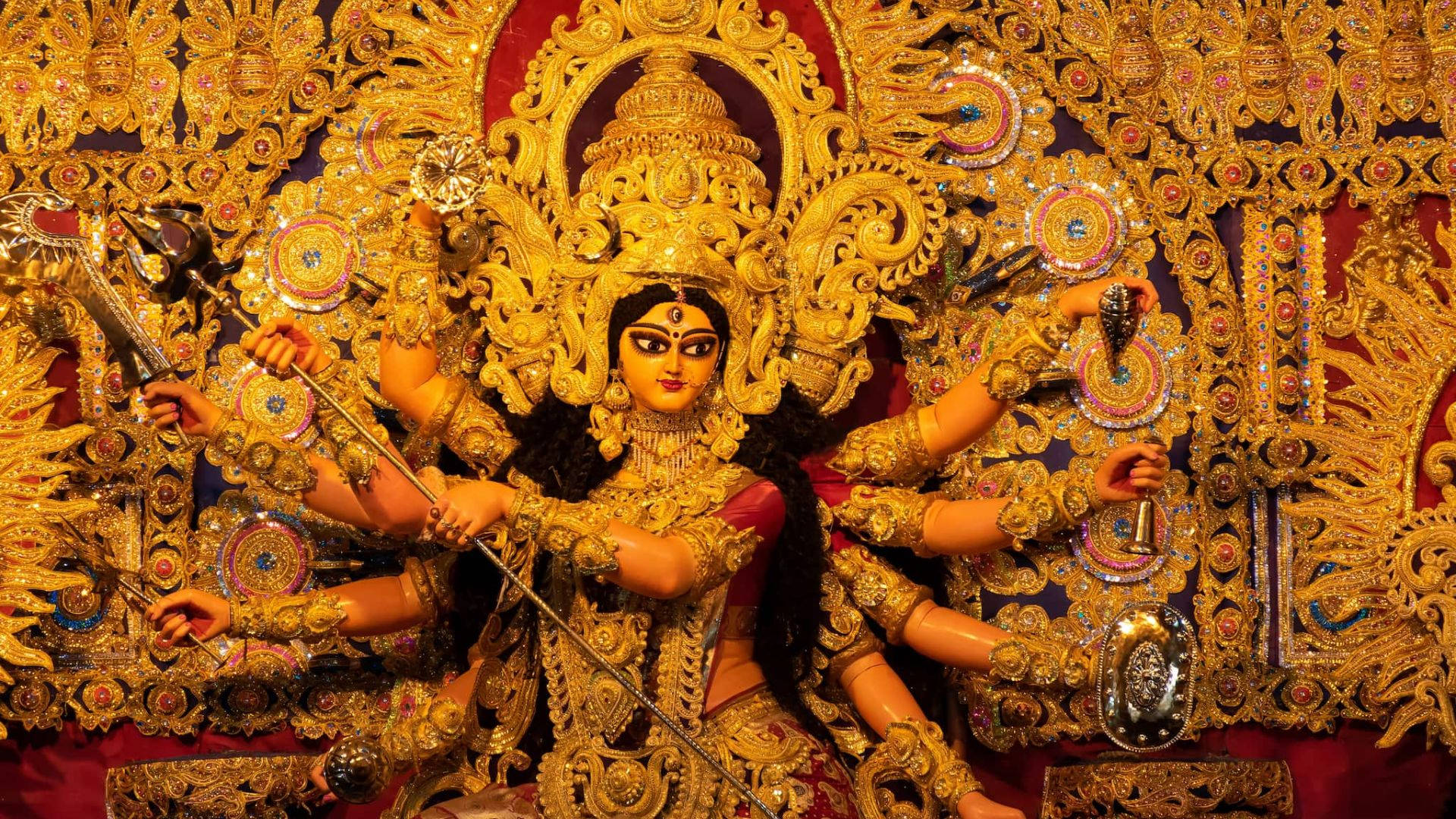
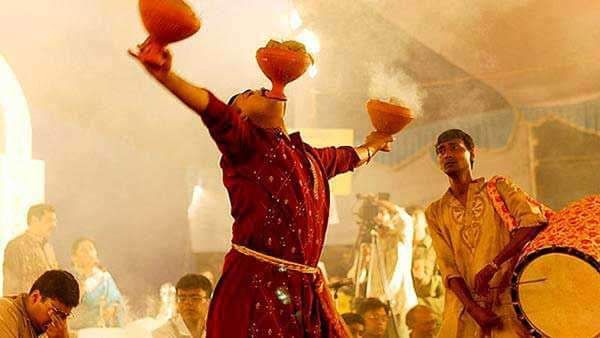
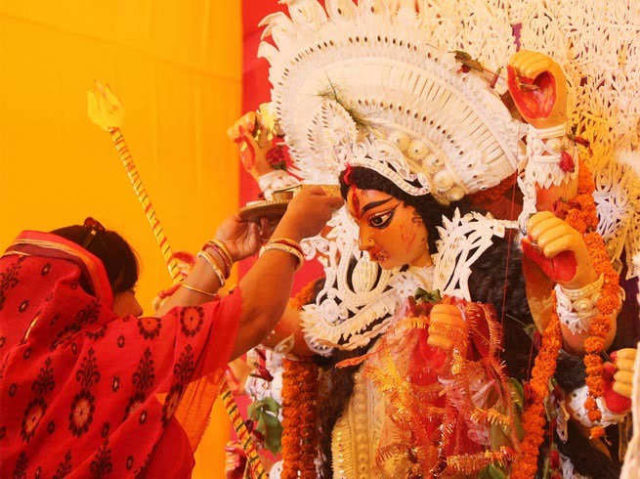
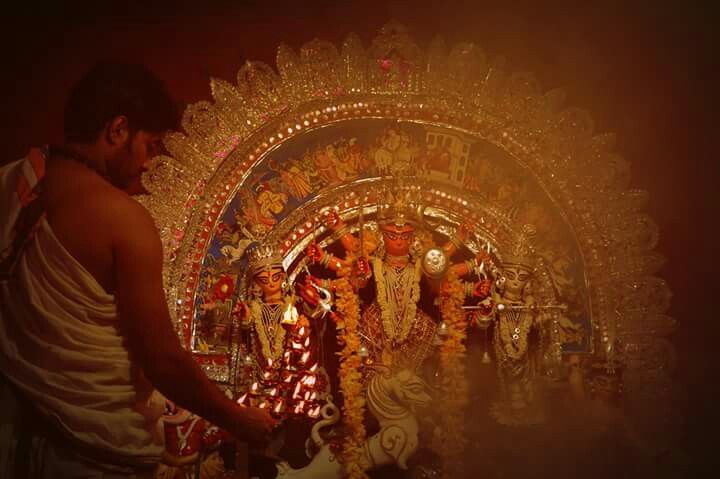
- Witness rituals of Druga Puja.
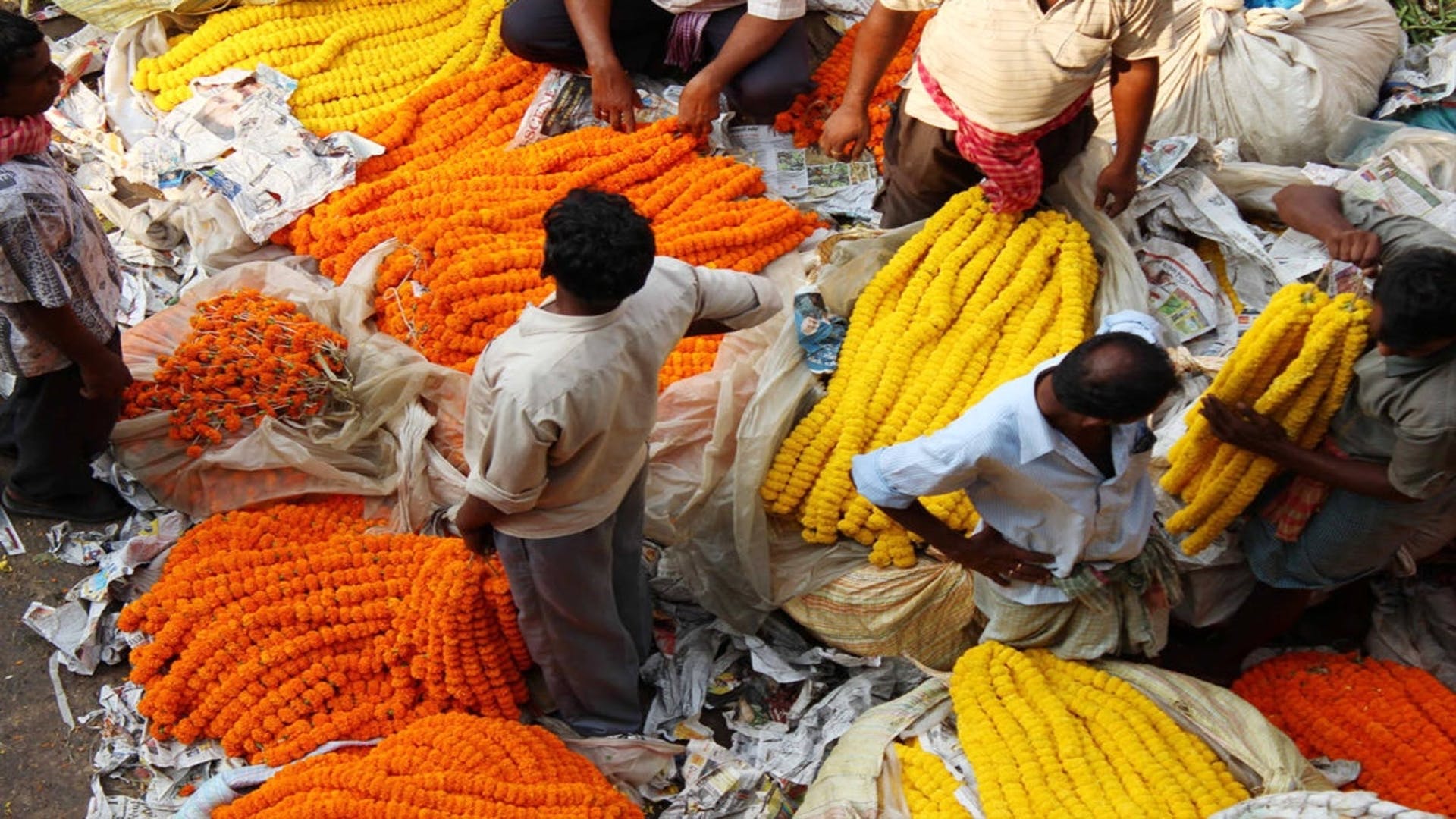
- Explore Flower market, Howrah Bridge and Mother
House.
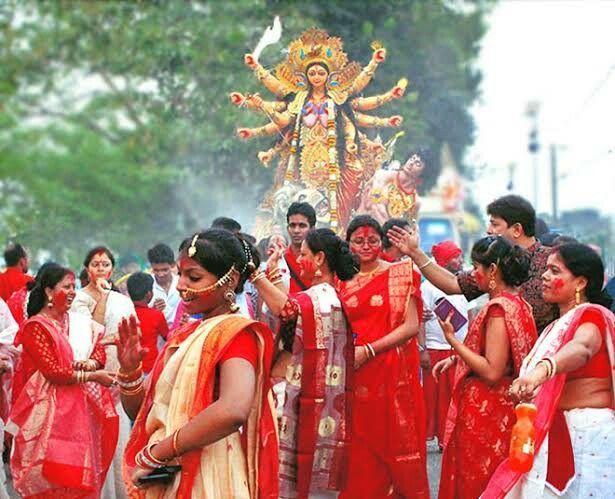
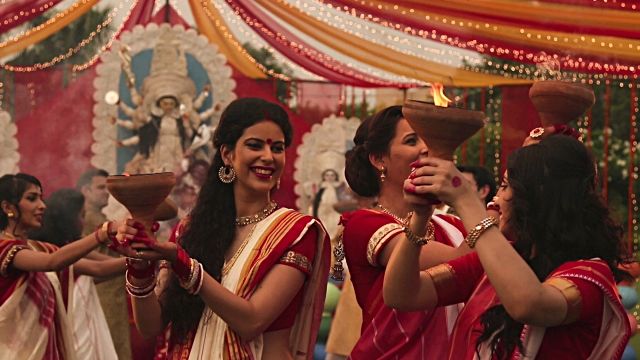
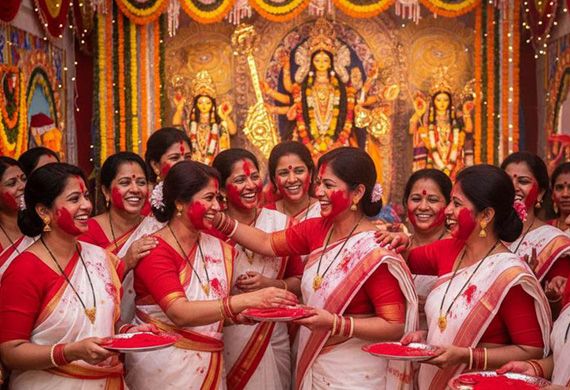
- Witness the unique visit "Sindur
Khela" (Vermillion game) by visiting various Durga Puja pandals.
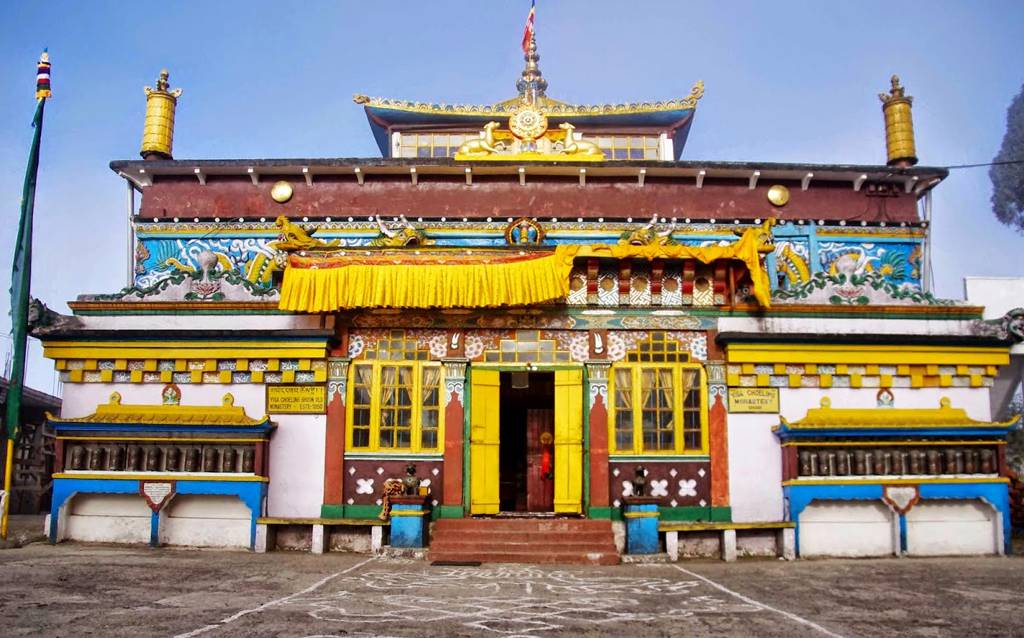
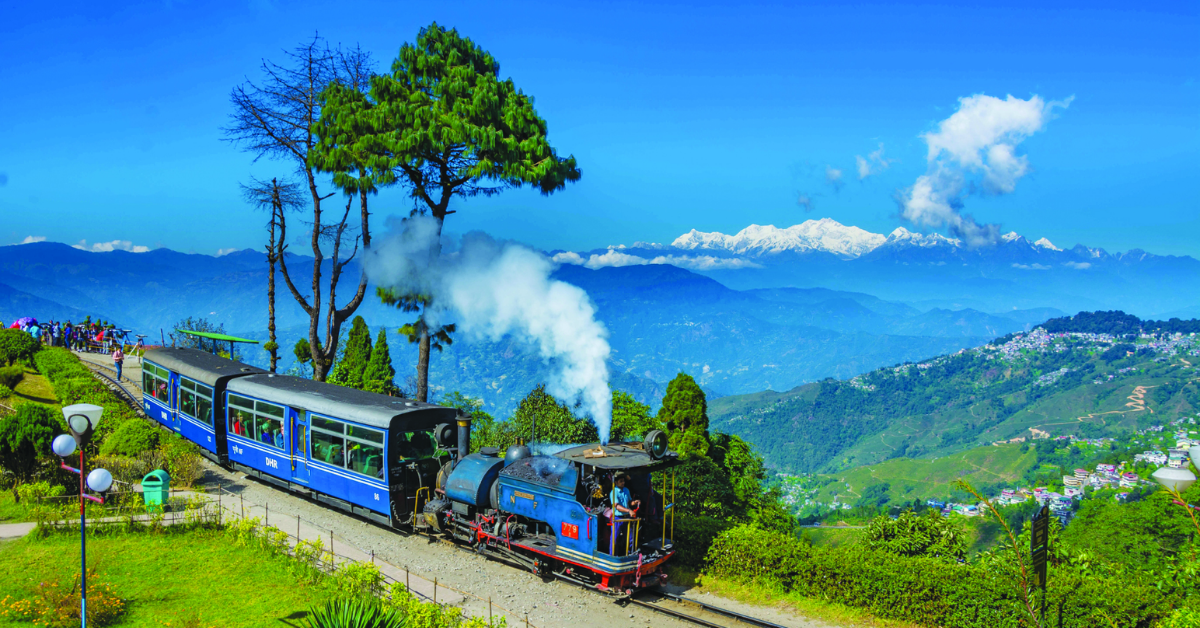
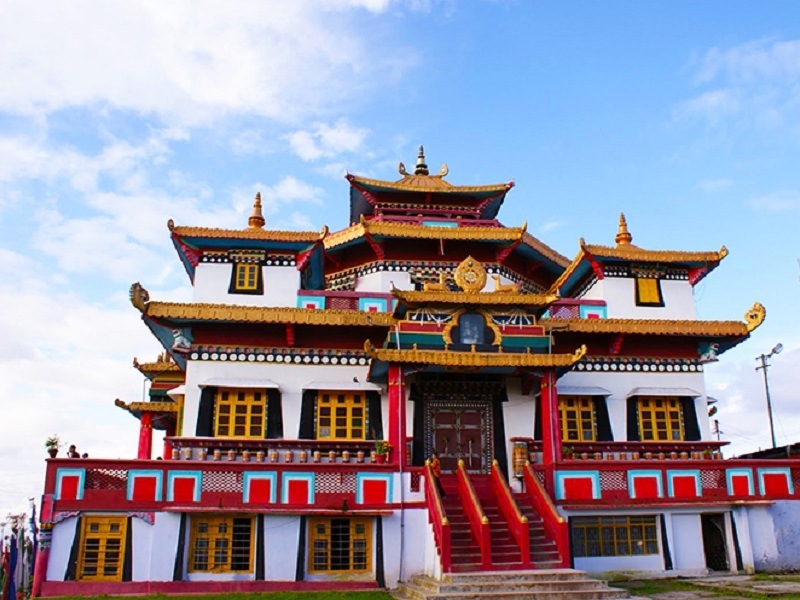
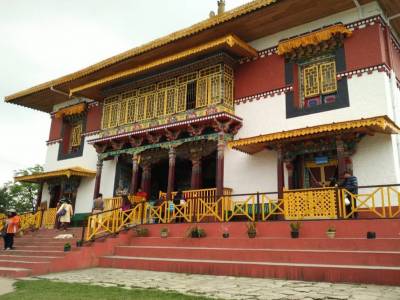
- Enjoy toy train ride up to Ghoom then visit
Ghoom Monastery in Darjeeling.
- Visit Tiger Hill for breathtaking view of
sunrise.
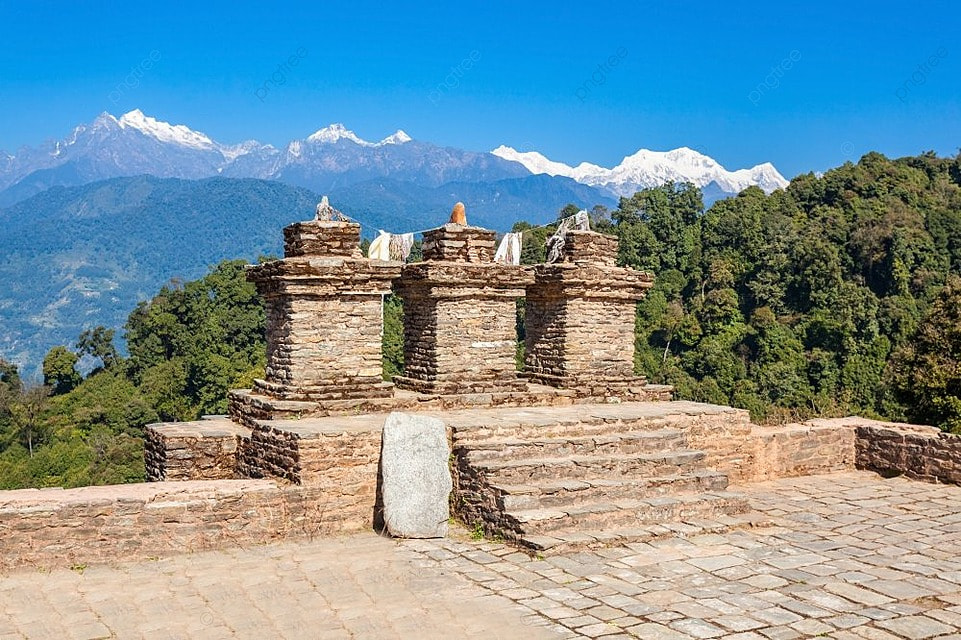
- Explore Pemayangtse Monastery & Rabdantse
Ruins in Pelling.
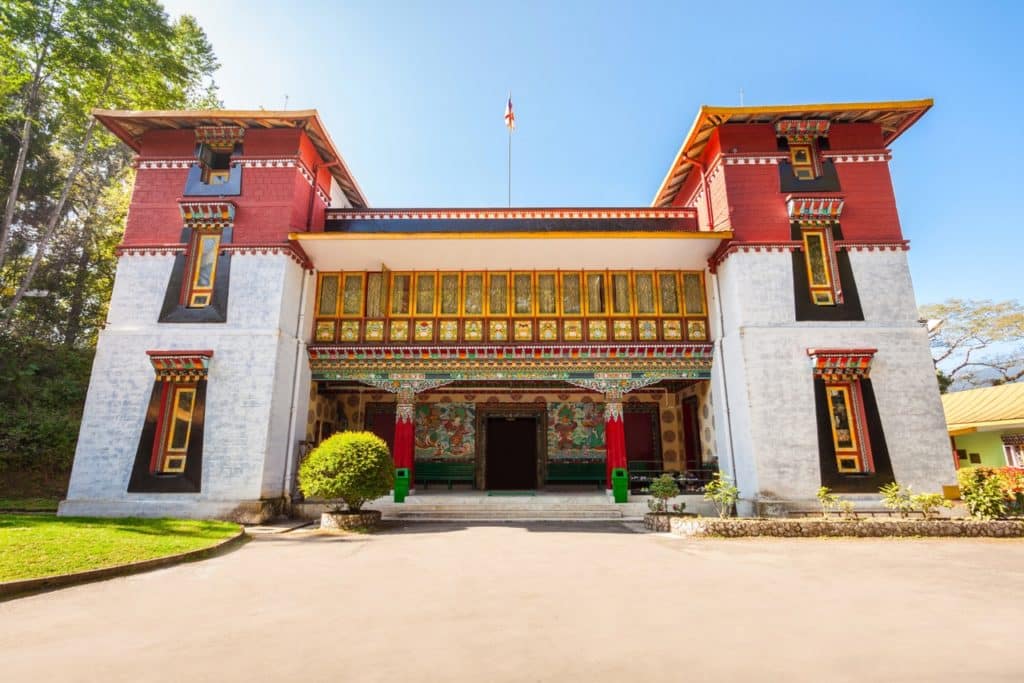
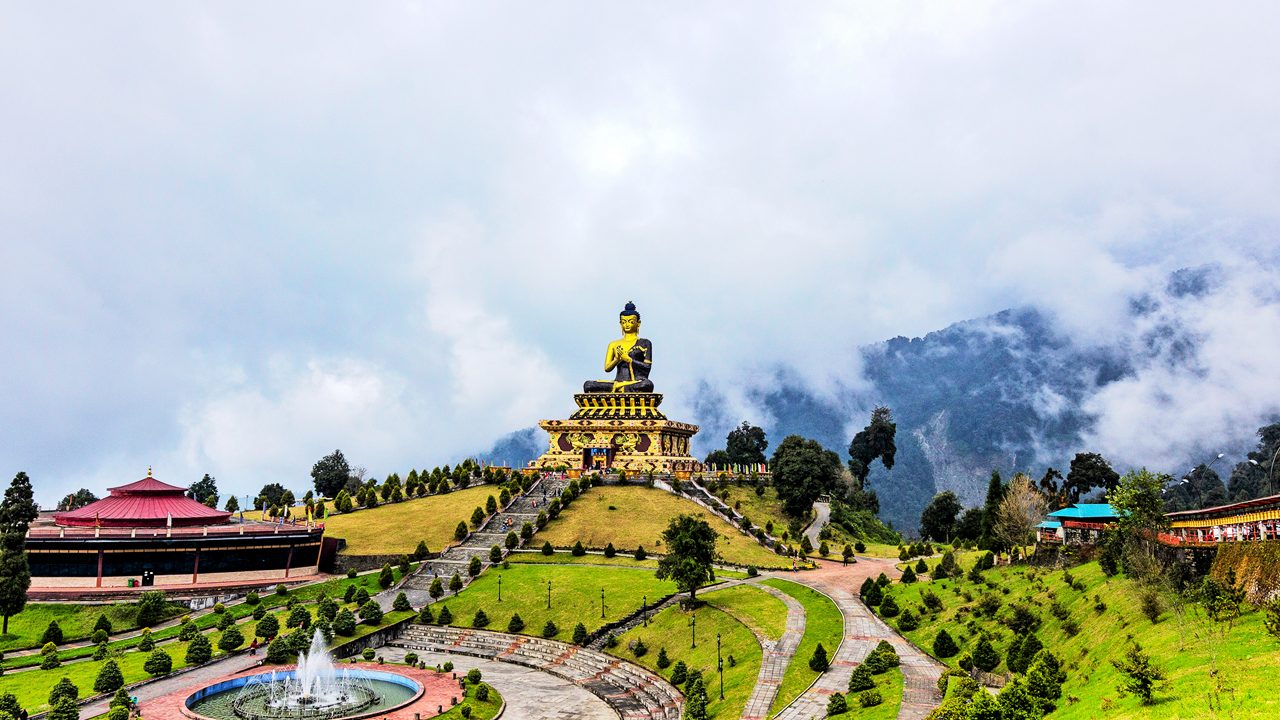
- Discover Gangtok visiting Rumtek Monastery,
Tibetology, and Enchey Monastery & Cottage Industry.
About The
Festival:
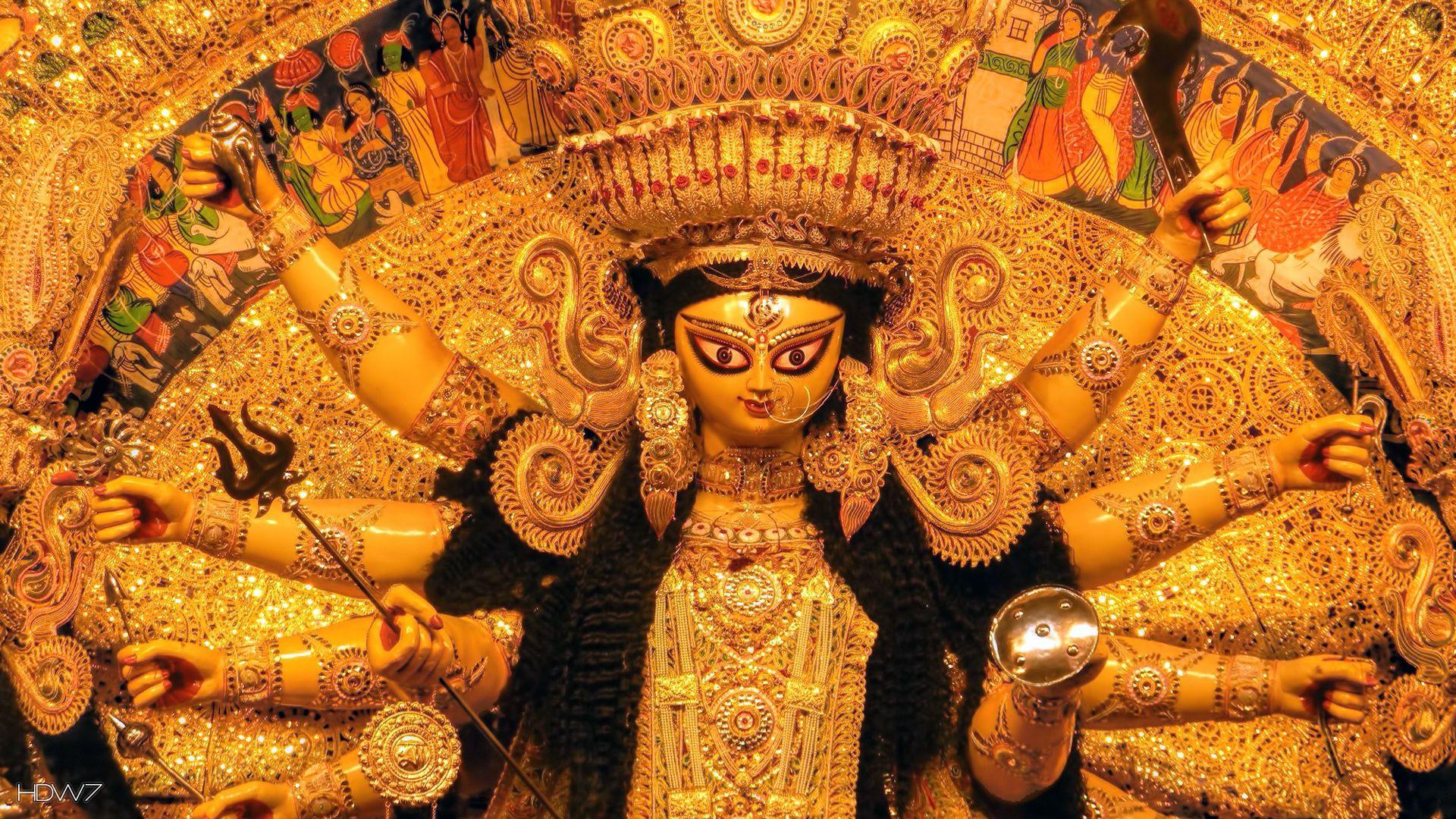
Durga Puja is a major Hindu
festival, especially in
West Bengal, celebrating Goddess Durga's victory over the demon Mahishasura,
symbolizing the triumph of good over evil, courage, and motherhood. It's a
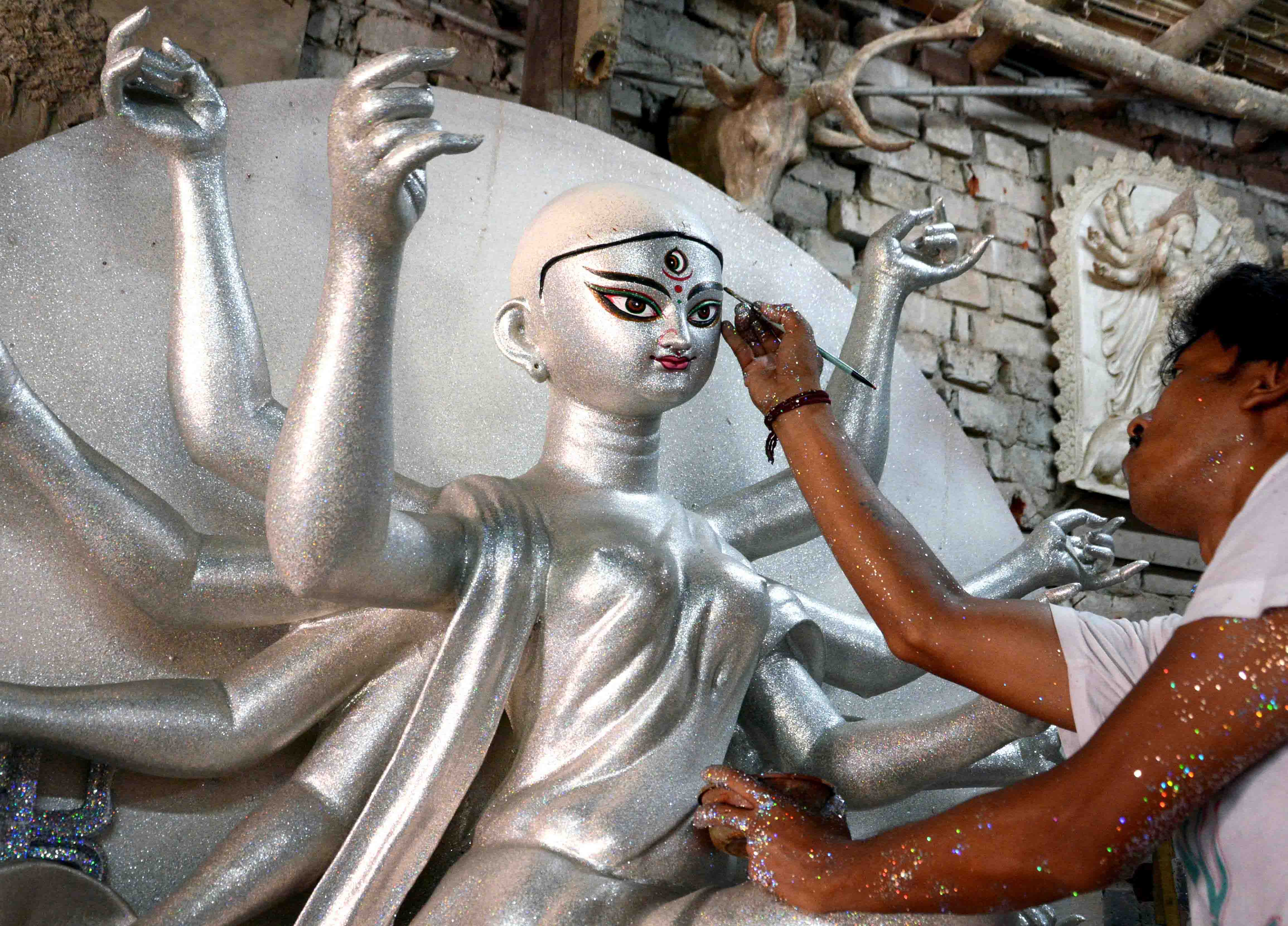
vibrant, multi-day event featuring elaborate clay idols of the Goddess in
temporary, decorated structures called pandals, traditional music, cultural
performances, feasting, and community gatherings, culminating in the immersion
of idols. Recognized by UNESCO as intangible cultural heritage, it's a massive
cultural and artistic spectacle uniting families and communities.
Significance of
the Festival:
“Maa Esechen”- The arrival of Mother Durga: Mahalaya marks the beginning of Goddess
Durga’s descent to Earth. At dawn, Bengalis traditionally wake up around 4 AM
to listen to Birendra Krishna Bhadra’s iconic Mahishasura Mardini, a
90-year-old ritual that heralds the start of Durga Puja. The days that follow
bustle with preparations—crowded markets, busy salons, and artisans giving
final touches to pandals and idols—leading up to Sasthi, the sixth day when the
grand celebrations officially begin.
From Sasthi
or the sixth day, onwards the
next five days celebrate Devi Durga through various rituals. On Sasthi the
idol’s face is unveiled, followed by Kalparambha, Bodhon, Astradaan, Amontron,
and Odhibash - inviting and preparing the Goddess for her stay. Saptami begins
with the dawn ritual of Kola Bou, where a banana plant is bathed, draped in a
saree, and placed beside Lord Ganesha. This is followed by Navapatrika Puja,
the worship of nine sacred leaves representing nine forms of Shakti,
symbolizing the divine feminine in all her manifestations.
Ashtami, the eighth day, is the
most important day of Durga Puja, marked by fasting and pushpanjali. The
transition from Ashtami to Navami sees the powerful Sandhi
Puja (evening aarti), symbolizing the victory of good over evil. Navami
celebrates Durga’s triumph over Mahishasura, while Vijayadashami marks
her farewell to Earth as she returns to Kailash with her children.
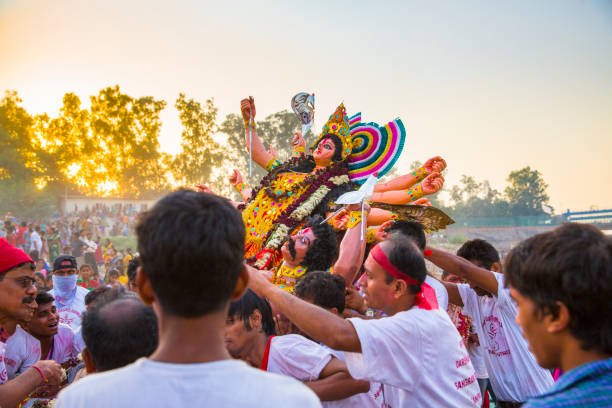
The Final Goodbye: Immersion of the Durga Idol, Dashami, the tenth day, marks
the end of Durga Puja. Married women in laal-paar sada saree (red border saree) celebrate Sindoor Khela, applying
vermillion to Maa Durga before bidding her farewell. As the Goddess leaves her baper Bari (father’s
home) on Earth to return to Kailash, devotees gather for the final procession.
Pandal committees come together to immerse their idols, dancing in the joyful
Bhasan dance to ensure the Goddess departs happily. As the idol is immersed,
the crowd chants, “Asche bochor
abar hobe”- a promise that Maa Durga will return next year. Once
she departs, Kolkata falls quiet again, waiting eagerly for her next arrival.